Chapter 2: Introduction to Interior Design Styles

Finding Your Aesthetic and the Wall Art That Completes It
Choosing wall art becomes infinitely easier once you understand the interior design style you're working with—or the one you're drawn to. Every design style has its own visual language: its own color palette, its own textures, its own "rules" about what feels right on the walls. This chapter is a comprehensive breakdown of the most popular interior design styles today, along with expert guidance on the types of wall art that complement each one.
Whether you're furnishing your first apartment, redesigning a living room, or simply trying to put a name to the aesthetic you've been drawn to on Pinterest and Instagram, this guide will help you identify your personal style and choose art that feels cohesive, intentional, and true to your taste.
Why Understanding Your Design Style Matters (Before You Buy Any Art)
Buying wall art without a clear sense of style is one of the most common—and costly—decorating mistakes. A piece that looks stunning in a showroom or online listing can feel completely out of place once it's on your wall, simply because it clashes with the room's existing aesthetic.
Identifying your interior design style first gives you a filter for every future decorating decision: it informs your color palette, your frame choices, your subject matter, and even how you arrange multiple pieces. Think of your design style as the foundation, and your wall art as the finishing touch that ties the whole room together.
1. Minimalist Style
The look: Clean lines, neutral colors, uncluttered surfaces, and a "less is more" philosophy. Minimalist interiors favor function and simplicity, with every object in the room serving an intentional purpose.
Color palette: White, black, gray, beige, and soft neutrals dominate minimalist spaces, occasionally punctuated by a single bold accent color.
Best wall art for minimalist interiors:
-
Abstract line art with simple, clean shapes
-
Monochrome or black-and-white photography
-
Single oversized statement pieces rather than gallery walls
-
Art with generous negative space (empty space is part of the design, not a flaw)
-
Thin, simple frames in black, white, or natural wood
Styling tip: In minimalist spaces, one carefully chosen piece often has more impact than several smaller ones. Resist the urge to fill every wall—minimalism thrives on restraint.
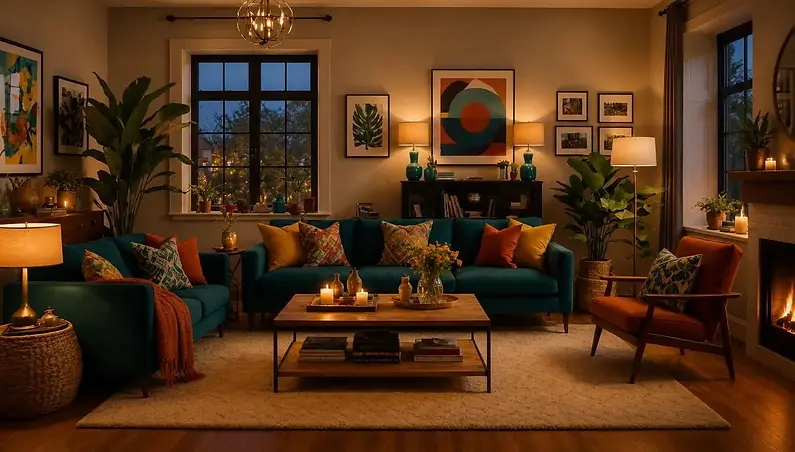
2. Bohemian (Boho) Style
The look: Eclectic, layered, and full of personality. Bohemian style embraces global influences, natural textures, and a relaxed, collected-over-time feel.
Color palette: Warm earth tones, terracotta, mustard yellow, deep greens, and jewel tones, often mixed with natural woven textures.
Best wall art for boho interiors:
-
Tapestries and woven wall hangings (macramé is a boho staple)
-
Botanical prints and nature-inspired illustrations
-
Vintage or travel-inspired artwork
-
Mixed-media pieces incorporating natural materials like wood, rattan, or fiber
-
Eclectic gallery walls mixing different frame styles, sizes, and mediums
Styling tip: Boho design is one of the few styles where "more is more" works beautifully—layering multiple textures and pieces creates that signature collected, well-traveled look.
3. Scandinavian (Scandi) Style
The look: Light, airy, and functional, with a focus on simplicity and coziness (often described by the Danish concept of hygge).
Color palette: Soft whites, light woods, pale grays, and muted pastels create a bright, calming atmosphere.
Best wall art for Scandinavian interiors:
-
Simple botanical line drawings
-
Soft, muted abstract art
-
Nature photography featuring landscapes or forests
-
Art in light wood or white frames
-
Minimalist typographic prints with soft color palettes
Styling tip: Scandinavian style pairs beautifully with a small, curated cluster of 2–3 pieces rather than a large gallery wall—keeping the "light and airy" feeling intact.
4. Industrial Style
The look: Raw, edgy, and utilitarian, inspired by converted warehouses and urban lofts. Exposed brick, metal fixtures, and unfinished textures define this look.
Color palette: Charcoal, black, rust, deep brown, and metallic tones dominate industrial spaces.
Best wall art for industrial interiors:
-
Black-and-white urban photography
-
Metal wall art or sculptural pieces
-
Vintage advertisements or retro signage
-
Bold abstract art with dark, moody tones
-
Art in raw metal, black, or distressed wood frames
Styling tip: Industrial spaces can handle larger, bolder pieces—this is a style where a dramatic statement piece often works better than delicate or dainty art.
5. Modern Farmhouse Style
The look: A blend of rustic charm and clean, contemporary lines. Modern farmhouse design combines cozy, lived-in textures with a fresh, updated feel.
Color palette: Soft whites, warm neutrals, and muted blues and greens, often paired with natural wood tones.
Best wall art for modern farmhouse interiors:
-
Rustic landscape paintings
-
Botanical or floral prints in soft, muted tones
-
Typography art with meaningful quotes or family sayings
-
Vintage-inspired signage
-
Art in distressed wood or simple black frames
Styling tip: Farmhouse style loves a mix of old and new—pair a rustic frame with a more contemporary print, or vice versa, for that signature "collected" farmhouse feel.
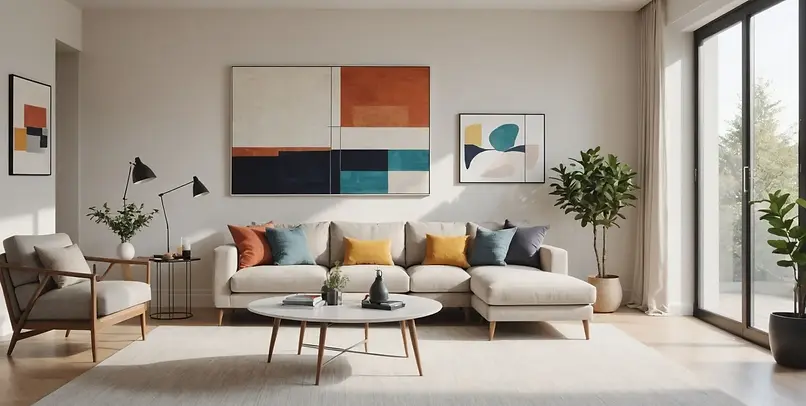
6. Contemporary Style
The look: Current, ever-evolving, and sleek. Contemporary design reflects what's popular right now, often blending elements from multiple styles with an emphasis on clean, sophisticated lines.
Color palette: Neutral bases (white, gray, black) with bold, saturated accent colors used sparingly.
Best wall art for contemporary interiors:
-
Bold abstract art with striking color contrasts
-
Large-scale statement pieces
-
Geometric prints and patterns
-
High-contrast black-and-white photography
-
Sleek, thin-frame or frameless canvas art
Styling tip: Contemporary style is forgiving and versatile—it's a great "in-between" aesthetic if you're drawn to multiple styles but want a cohesive, updated look.
7. Traditional Style
The look: Classic, elegant, and timeless, drawing on 18th- and 19th-century European design influences. Traditional interiors favor symmetry, rich textures, and refined details.
Color palette: Deep jewel tones, rich browns, gold accents, and warm neutrals.
Best wall art for traditional interiors:
-
Classic landscape or still-life paintings
-
Portraiture and historical-style art
-
Botanical illustrations in ornate frames
-
Symmetrical gallery wall arrangements
-
Art in gold, dark wood, or ornately carved frames
Styling tip: Traditional spaces favor symmetry and balance—matching pairs of art on either side of a mantel or bed headboard are a signature move in this style.
8. Mid-Century Modern Style
The look: Retro-inspired design rooted in the 1950s–60s, characterized by clean lines, organic curves, and a mix of function and playful style.
Color palette: Mustard yellow, teal, burnt orange, and olive green, paired with warm wood tones.
Best wall art for mid-century modern interiors:
-
Abstract geometric art
-
Retro-inspired prints and illustrations
-
Bold, graphic patterns
-
Art featuring warm, saturated color palettes
-
Simple frames in walnut or teak-toned wood
Styling tip: Mid-century modern art often features asymmetrical or abstract compositions—look for pieces that feel playful and geometric rather than realistic or ornate.
9. Coastal Style
The look: Breezy, relaxed, and inspired by seaside living. Coastal interiors evoke a sense of calm, open space, and natural light.
Color palette: Whites, soft blues, sandy beiges, and seafoam green.
Best wall art for coastal interiors:
-
Ocean and beach landscape photography
-
Abstract art in blue and white tones
-
Botanical prints featuring coastal plants (palms, seagrass)
-
Nautical-inspired illustrations
-
Art in light, weathered wood or white frames
Styling tip: Keep coastal art simple and uncluttered—this style relies on a sense of openness, so avoid overly busy or dark pieces.
10. Eclectic Style
The look: A confident, personal mix of multiple styles, colors, and eras, unified by the homeowner's unique taste rather than a single design "rulebook."
Color palette: Varies widely, often bold and unexpected combinations.
Best wall art for eclectic interiors:
-
A curated mix of styles, mediums, and eras
-
Bold, unexpected color combinations
-
Gallery walls combining photography, paintings, and sculptural pieces
-
Personal or sentimental art alongside statement pieces
-
Mixed frame styles and finishes
Styling tip: Eclectic design is the most flexible style on this list—the key to making it work is finding a unifying thread (a color, a theme, or a feeling) that ties diverse pieces together.
How to Identify Your Personal Interior Design Style
If you're still unsure which style speaks to you, ask yourself:
-
Do I prefer clean, uncluttered spaces or cozy, layered ones? (Minimalist vs. Boho)
-
Am I drawn to light, neutral tones or rich, dramatic colors? (Scandinavian vs. Traditional)
-
Do I like a polished, put-together look or a collected-over-time feel? (Contemporary vs. Eclectic)
-
Does my home feel more "city loft" or "countryside retreat"? (Industrial vs. Modern Farmhouse)
Most people find their style is a blend of two or three categories rather than a single strict definition—and that's completely normal. Your wall art choices don't need to match a single style perfectly; they need to feel authentic to you.
Final Thoughts: Style Is a Starting Point, Not a Rulebook
Understanding interior design styles gives you a language and framework for making confident decorating decisions—but the best-designed homes are always a personal interpretation, not a strict copy